Best Month to Get Married in Triyuginarayan Temple – Wedding Guide

Best Month to Get Married in Triyuginarayan Temple – Wedding Guide [year]
Triyuginarayan, a sacred village in Uttarakhand’s Rudraprayag district, is cherished not just for its spiritual aura but also for its dramatic Himalayan setting. Revered in Hindu mythology as the very ground where Lord Shiva married Goddess Parvati with Lord Vishnu and Brahma as witnesses, this temple at an elevation of 1,980 meters offers visitors a breathtaking sweep of snow‑clad peaks and lush valleys. The combination of deep religious significance and pristine mountain scenery has made Triyuginarayan an increasingly popular destination for pilgrims and couples planning temple weddings, especially those drawn to the idea of vowing their love where Shiva and Parvati are believed to have tied the knot.
The time of year you choose to visit, however, can dramatically change your experience. Weather in Triyuginarayan shifts clearly with the seasons, and each one brings a different mood and set of challenges. Winter (December–February) is cold and often snowy, with temperatures dropping close to freezing and some roads becoming icy or temporarily shut, which can make rituals and group travel difficult, especially for elderly guests. Summer (March–June) brings pleasant, mild weather, with daytime temperatures usually between 15–25°C, clear skies, and stable road conditions, making it ideal for weddings, darshan, and walks around the temple and the three holy kunds.
The monsoon season (July–August) sees heavy rains, slippery roads, and an increased risk of landslides in the hills around Rudraprayag, so pilgrims and wedding groups often avoid this period to stay safe and avoid last‑minute disruptions. Post‑monsoon and autumn (September–November) offer another sweet window, with fresh air, lush greenery, and cooler to mild temperatures; the hills look washed‑clean and the views feel especially vivid, which is why many couples and small groups favor this period for a calmer, more intimate temple visit or wedding.
Knowing these seasonal patterns helps pilgrims and couples choose dates when the weather supports both comfort and feasibility. For a smooth pilgrimage or a stress‑free Triyuginarayan temple wedding, planning around these weather windows—especially March–June or September–November—ensures clearer roads, better visibility, and a more serene experience at this legendary Himalayan site.
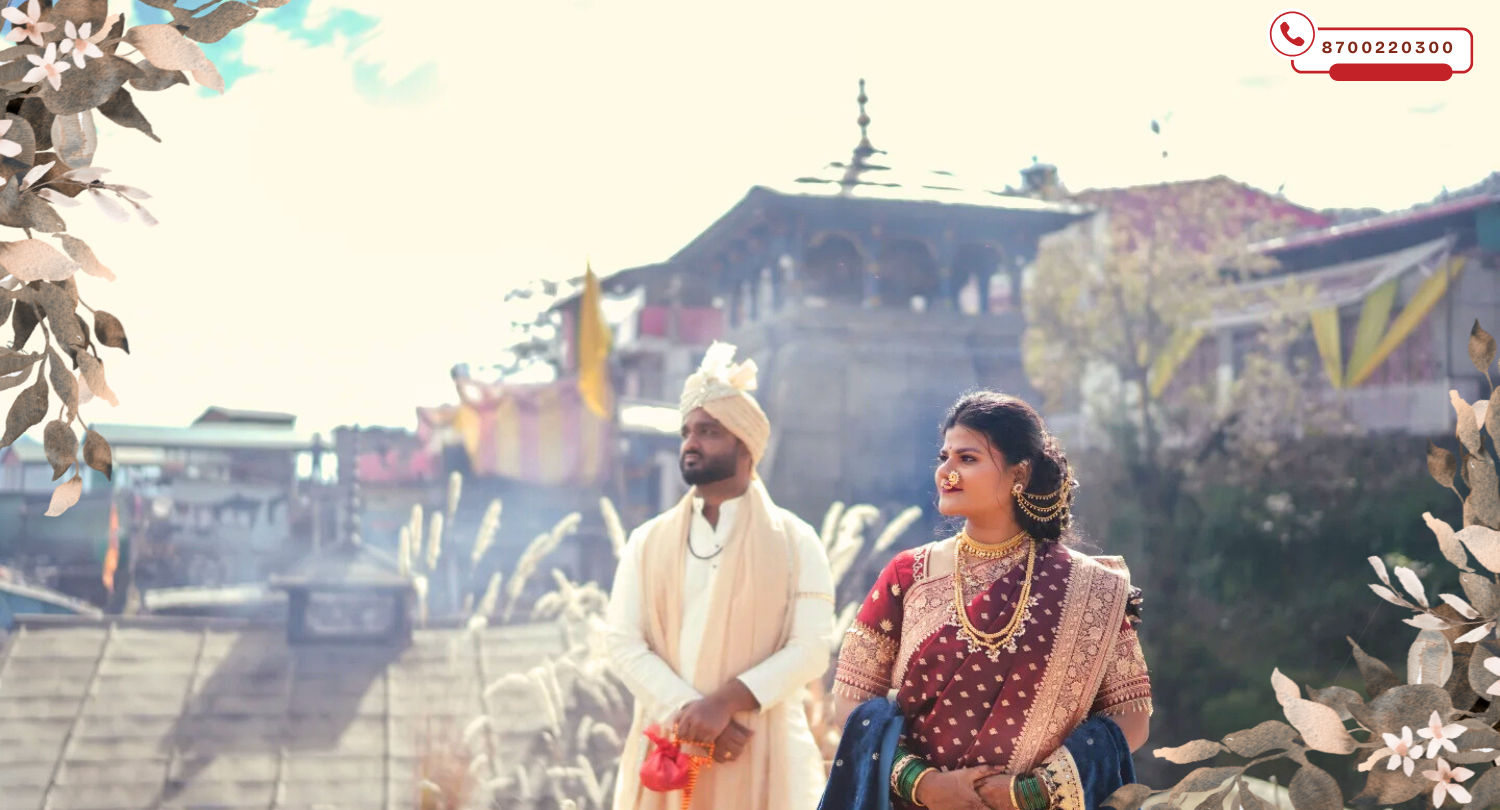
Best Months for a Wedding at Triyuginarayan Temple
🌸 March to June – Pleasant Spring & Summer Weddings
Spring and early summer are among the most comfortable seasons for a Triyuginarayan temple wedding. The temperature usually stays between 15–25°C, skies are clear, and road conditions from Rishikesh/Dehradun to Sonprayag and then up to the temple are at their best. This makes travel smooth for guests and gives you beautiful natural light for wedding photography, with lush green hills and blooming flowers around the temple and the three holy kunds serving as free, ready‑made décor. However, since this is peak tourist season in Uttarakhand, hotels and transport get booked quickly, so it’s wise to fix your stay and transport at least 2–3 months in advance.
🍂 September to November – Post‑Monsoon Bliss
After the monsoon clouds roll away, the hills around Triyuginarayan turn deep green and the air feels fresh and crisp, with temperatures roughly between 10–20°C. This is a quieter, more peaceful window compared to the summer rush, yet the roads stay open and the landscape looks vibrant, making it visually perfect for temple‑style ceremonies and candid wedding shots. Many couples prefer October–November because the weather is stable, the temple feels spiritual without being too crowded, and guest comfort is higher. Still, demand for temple wedding dates and nearby stays rises, so confirm your rituals, accommodation, and travel before the season kicks in.
❄️ December to February – Winter Weddings (Use with Caution)
Winters at Triyuginarayan can be extremely cold, with temperatures hovering around 0–5°C, frequent snowfall, and some roads occasionally closed due to ice or landslides. For elderly guests or large wedding groups, the cold and travel uncertainty make this a risky choice; rituals held near the Akhand Dhuni can also feel long and uncomfortable in biting wind. If you’re drawn to a “snow‑covered Shiva‑Parvati‑style” vibe, a safer idea is to keep the main wedding outside the peak snow months and use winter only for a symbolic ceremony or short darshan‑based ritual, while holding the main reception in warmer, more accessible towns like Rishikesh, Haridwar, or Rudraprayag.
🌧️ July to August – Monsoon Weddings (Avoid)
Heavy rains, slippery roads, landslides, and frequent route blockages make July–August the least recommended window for a Triyuginarayan temple wedding. Even if the temple is open, the risk of travel delays, last‑minute cancellations, and uncomfortable outdoor rituals around the eternal flame is high. For a stress‑free experience, most temple‑wedding planners suggest avoiding monsoon season entirely and instead choosing one of the clearer, safer windows—March–June or September–November—so your big day feels spiritual, smooth, and picture‑perfect
Additional Wedding Planner Tips
For the smoothest and most comfortable experience, couples are advised to target April–June or September–November for their Triyuginarayan temple wedding, as these months offer the best balance of weather, road access, and guest comfort. Before the big day, it’s essential to check current road conditions regularly, especially if you’re bringing elderly guests or a large group, so you can adjust departure times or routes if needed. Stays in Guptkashi or Sonprayag are usually the most practical bases, so booking hotels or guesthouses there well in advance helps avoid last‑minute stress and keeps everyone close to the temple route.
Hiring a local wedding planner—like a dedicated Triyuginarayan wedding‑planning service—can simplify everything from temple permits and ritual coordination to décor, local vendors, transport, and guest arrangements, so you can focus on the emotions of the day. It’s also smart to keep backup plans for weather changes, such as indoor reception options or alternate photography spots, in case of sudden rain or unexpected chill.